








Anyone who's ever set foot on a LARP field has wondered, “How to play better?” At LARPSHOPKEEPER, we work with hundreds of players and know that growth in this hobby isn't a fluke but the result of specific actions. Want to understand how to LARP more effectively? Then you need to understand all the details and aspects of this field.
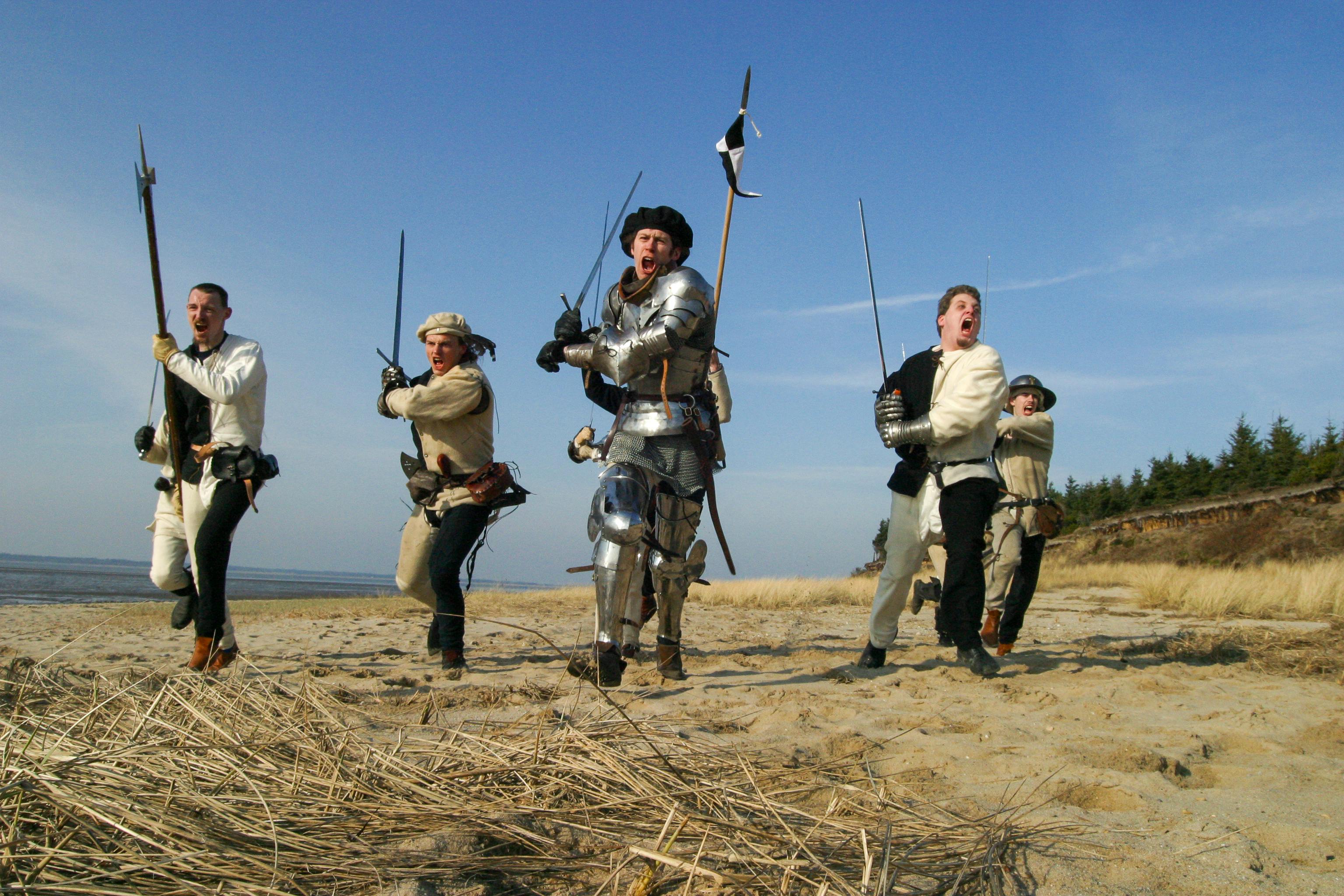
Why Getting Better at LARP Takes Practice
LARP is a blend of acting, sports, and teamwork. None of these skills are acquired in a single game. It takes practice, regular experience, and a willingness to learn from mistakes. The more games you attend, the more confident you become in different situations.
Progress is rarely a straight line. There are times when you think you're stuck, but after a couple of seasons you may see how much you have grown. It's a marathon, not a sprint. Organizers, players, and LARP masters around you are also on that journey.
Safety is a big concern. LARP has codes of behavior, combat rules, and ethical standards. Before the game, the organizers usually give a briefing, and following their instructions is as important as developing your character. This helps keep the LARP game fun and safe for everyone.
Mastering Roleplay and Immersion
A role isn't a costume or lines. It's a way of thinking that lasts throughout the entire game. The deeper you get into it, the more interesting it is for you and the people around you.
Immersion is all the little details: how you react to things that happen, how you move, how you connect to the other characters. Veteran players seldom "break character," even in quiet scenes. This is what distinguishes a confident role from a superficial one. Over time, such behavior becomes a habit, not an effort.
Building a Believable Character
A good LARP character begins long before the game. In fact, LARP Characters Explained is quite simple: they're a set of goals, fears, and habits that determine their behavior in different scenes. The background doesn't have to be complex, but it should be logical and understandable to you. When creating a character, it's helpful to consider a few basic things:
- motivation — what the character wants to achieve in the game;
- backstory — a short story explaining their past;
- speech patterns and gestures that distinguish them from you;
- relationships with other characters before the events begin;
- weaknesses that can be revealed in-game;
- physical appearance — costume, equipment, armor, small details;
- boundaries that you're not willing to cross even in character.
Such a list helps you stay focused during the first hours of play. It also makes it easier to improvise when the plot isn't going as planned.
Staying in Character Under Pressure
Complex LARP scenes — fights, conflicts, unexpected plot twists — test how deeply you've immersed yourself in the role. Confidence is more important here than acting experience. The more comfortable you are in character, the more natural your character's reaction will appear, even if the real emotion is different.
If a character is “injured” in battle, it's helpful to act it out physically. A slight limp after a blow to the leg or a weakened arm after an injury makes the scene more vivid for everyone around you. Such details turn an ordinary fight into a memorable moment. Sometimes the organizer or GM will directly suggest where a character's plot should go — it's worth listening to such signals rather than ignoring them for the sake of your own plan.
Developing Your Improv and Storytelling Skills
Improvisation is the foundation of any good LARP game. No one knows what the other person will say. Therefore, it's important to be able to react quickly. Storytelling helps transform random remarks into a coherent story.
Many techniques for this come from the theater. They can be mastered not only on the field but also in advance, during training or workshops:
- emotional immersion;
- practicing voice and intonation for different character emotions;
- working with body language — posture, gestures, gait;
- exercises in quick improvisation in unexpected situations;
- conducting dialogues without a pre-written script;
- analyzing other players' scenes to expand your own style;
- short skits with a partner to practice reaction.
Such training develops creativity and speeds up reaction time in the game. Over time, the stories become more interesting to other participants, and confidence in scenes without a clear script grows naturally.
It's also helpful to keep track of the pacing of the story within a scene. Not every act requires detailed roleplaying — sometimes it's worth quickly moving through an unimportant section of time to preserve your energy and attention for the climax. This applies to both the character's personal storyline and the overall plot of the game.
Teamwork and Communication in the Field
LARP is rarely about one person. Even in a solo quest, the focus is usually on the team around you. Good communication keeps the game flowing smoothly for everyone, and fighting in a squad together can often feel more intense than fighting alone. Working together makes it easier to stay in formation, coordinate actions, and get a sense of the overall mood of the scene.
Reading Other Players and Reacting Naturally
Players learn to listen and understand other players through experience. Notice pauses, tone, and eye contact to see if someone wants to keep a scene going or stop. That makes it more comfortable for everybody to play.
Feel free to reach out to other players for help. If you're having trouble coming up with a piece of your character, ask others to help move the scene along at the right time. Many experienced LARPers admit that this took them a long time to master. However, it's precisely this open dialogue that accelerates growth more than years of silent play.
The "Play to Lift" Principle
The "play to lift" principle means that your goal isn't to win the scene but to make it more interesting for your partner. This requires respect for boundaries and agreement on certain actions before the game begins. Teamwork is built on this approach, not on competition.
This principle also applies to off-screen ethics. Even during character conflict, you should remain polite to the person behind the character. If someone approaches you outside of the LARP game, a polite and understandable response is more important than maintaining character at all costs.

Physical Preparation: Fitness, Stamina, and Comfort
Physical fitness directly impacts performance. Long training sessions require stamina, and uncomfortable gear can quickly ruin your mood. Gear deserves special mention: high-quality LARP armor should not only look impressive but also be comfortable to wear for hours. For example, our polyurethane armor is lighter than traditional metal armor. It doesn't put unnecessary strain on your back and shoulders.
Before the active season, it's important to pay attention to a few basic things:
- regular cardio to increase endurance;
- stretching to reduce the risk of injury during action scenes;
- adequate hydration throughout the day on the training ground;
- comfortable shoes, tested in advance, not on the first day of play;
- suit that doesn't restrict movement;
- sleep the night before the game;
- light snack for long sessions.
Footwear deserves special attention. The training ground is rarely level: mud, slopes, long walks. Therefore, footwear should be tested beforehand, not on the first day of play. The same applies to LARP armor and gear: the more comfortable the fit, the fewer distractions during a long scene.
Learning From Feedback and Past Events
After each game, it's helpful to revisit past scenes. Looking back helps you to understand what worked and what didn't. Often feedback from other players and game masters can offer insight that may be hidden from within the role.
Many communities hold workshops after the season. They review specific situations and share practical advice. If there are any nearby, it's worth attending. These LARP sessions can help you improve much faster than simply replaying games without analyzing them.
Community ties don’t end when the game is over. Stay in touch with new friends, discuss past scenes, and share your experiences. Some players help with props or welcome newcomers. Active participation strengthens the community and can also create new opportunities to grow.
Common Mistakes That Slow Your Progress
Some mistakes are common among most LARP beginners and even experienced players. They're easy to avoid if you know them in advance. Here are common 7 mistakes:
- Ignoring character background during scenes.
- Underpreparing costumes and equipment.
- Not respecting others' boundaries and consent to contact.
- Refusing feedback after a game.
- Showing passivity in team scenes.
- Being physically unprepared for long training sessions.
- Exactly copying an established character instead of creating your own.
The last point is especially prevalent among newcomers. While being inspired by an existing character is normal, exact copying quickly limits your freedom in the game and diminishes others' interest. Creating your own character, even if simple, always provides more room for development.
Small Habits That Make a Big Difference
Growth in LARP rarely depends on one big step. More often, it's the sum of small habits repeated game after game. Here are a few key points:
- keep brief notes after each event;
- try new roles, not the same one for years;
- communicate with other players outside the arena;
- keep an eye on the condition of your costume and equipment between games;
- practice improv in everyday life;
- clarify your partners' boundaries before challenging scenes;
- get enough rest before departure.
These habits don't require much effort, but they yield lasting results. Over time, they are what build a confident and experienced player. LARP skills grow through practice and experience. The best results come when they work together: a strong character, good improvisation, teamwork, and physical readiness.
Are you just starting out in this hobby and want to understand how to LARP? A Beginner's Guide is a good starting point. And for those ready to build their first character, LARPSHOPKEEPER offers armor and character elements that will last for seasons.